
Early Social Skills in Toddlers: What to Look For and How Speech Therapy Can Help
The toddler years are full of exciting changes. Between first words, first friendships, and big emotions in tiny bodies, a lot is happening socially, even before children can clearly express themselves with language. Many parents wonder: Are these social behaviors developing as expected? And just as importantly, what can I do if something feels off?
Early social skills are the foundation for communication, learning, and relationships. Understanding what these skills look like in toddlers can help you feel confident supporting your child or knowing when to seek extra support.
Responding to Others During Play and Conversation
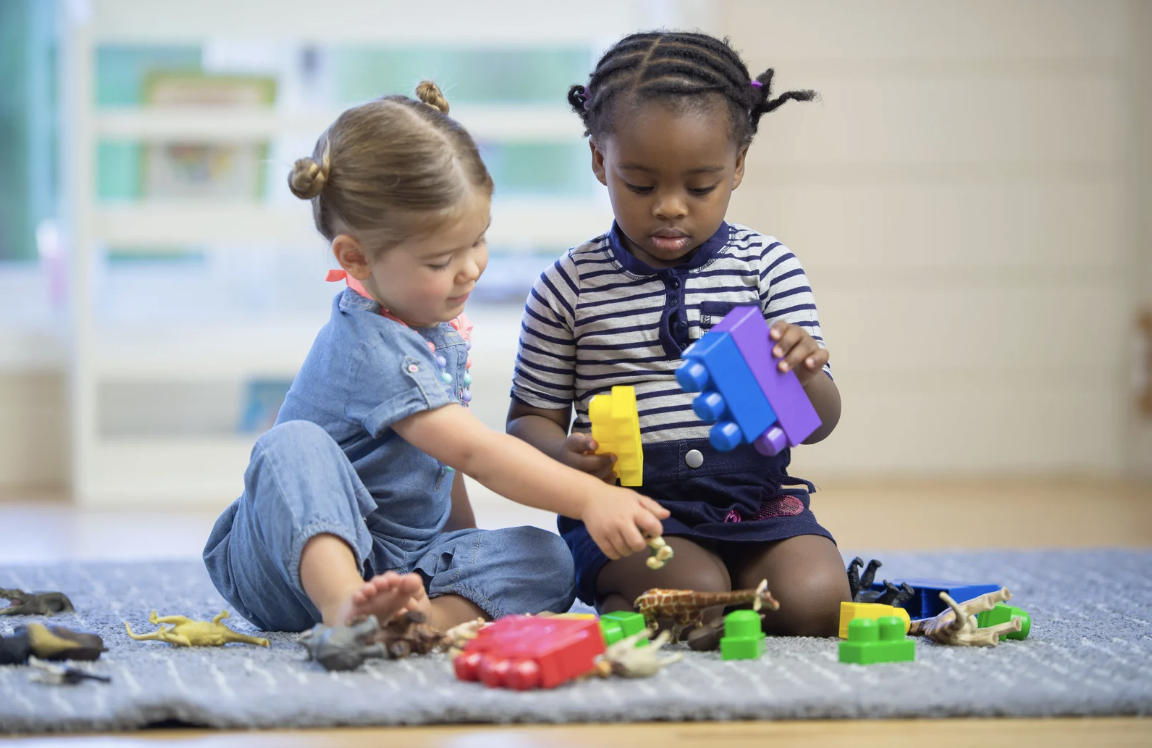
One of the earliest social skills toddlers develop is responding when someone talks to them or plays with them. This might look like your child turning toward you when you say their name, smiling when you engage them, or reacting when you roll a ball their way.
These responses show that your child is noticing others and beginning to understand that communication is a shared experience. Some toddlers may respond consistently, while others may respond only when highly motivated or during preferred activities—and that range can be typical. However, limited or inconsistent responses can sometimes signal a need for extra support.

Taking Turns During Interactions
Turn-taking begins long before children can play structured games. It shows up during simple back-and-forth interactions like rolling a car to you and waiting for it to come back, handing you a toy and watching what you do, or vocalizing and pausing for a response.
Turn-taking helps children learn the rhythm of communication. Conversations, after all, are just grown-up versions of these early back-and-forth moments. Toddlers who struggle with turn-taking may need help learning how to wait, watch, and engage with another person during play.
Joint Attention: A Key Building Block
Joint attention is one of the most important early social communication skills and one parents often haven’t heard of until it’s pointed out.
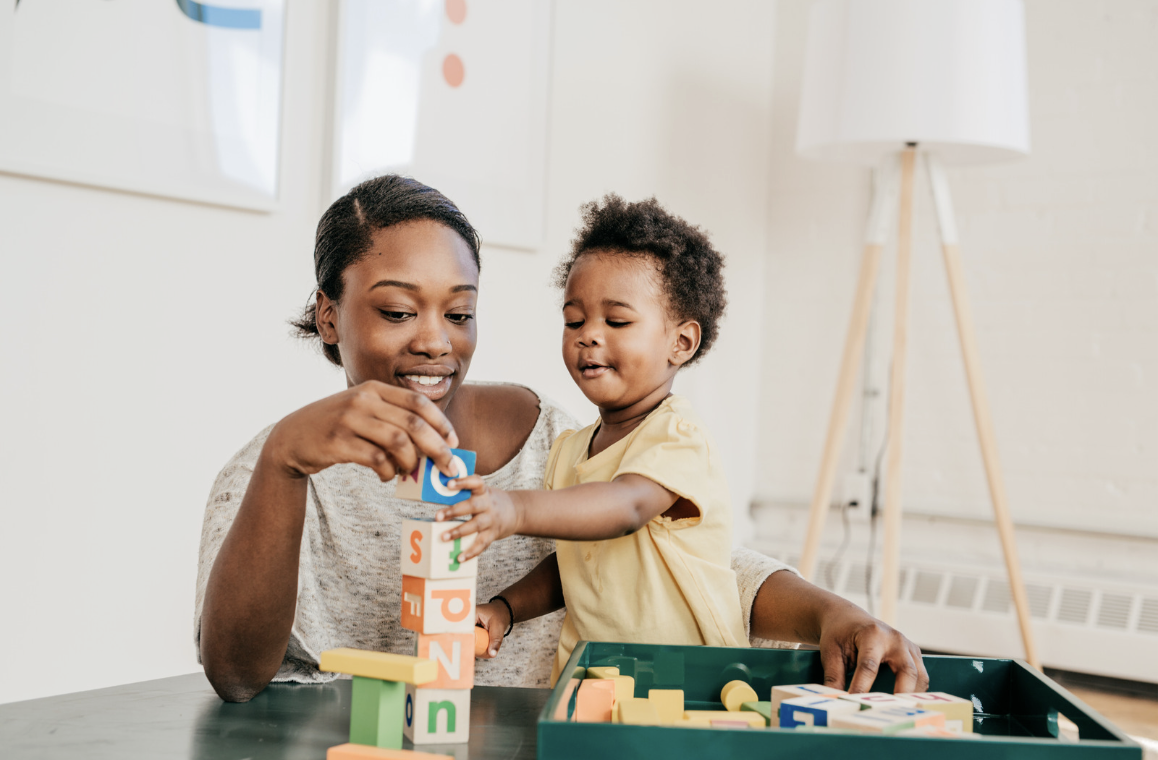
Joint attention means sharing focus with another person around an object, activity, or event. For example, your toddler might look at a toy, look back at you, and then look at the toy again as if to say, “Do you see this too?” They might point to an airplane in the sky and look to see if you’re watching.
This skill is essential for learning language, following directions, and building social relationships. When joint attention is limited or absent, children may miss many natural learning opportunities throughout the day.
Playing With Toys in Meaningful Ways
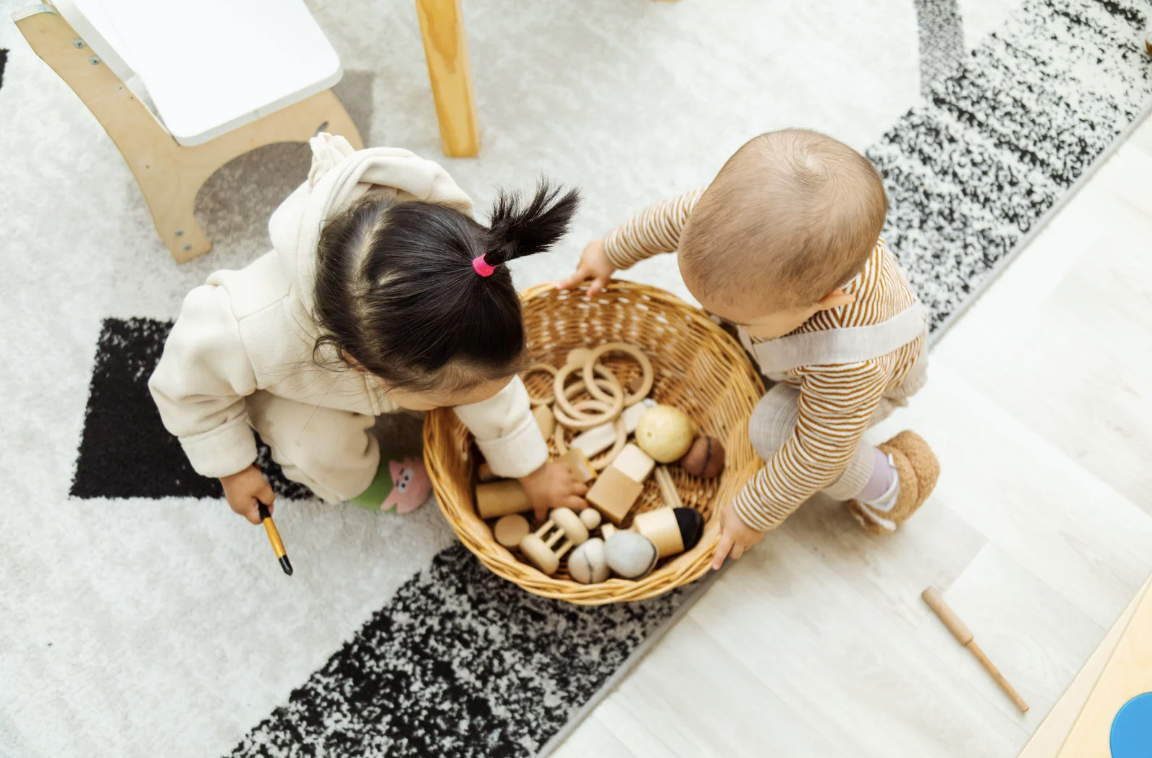
Toddlers learn a lot about the world through play. Playing with a variety of toys in age-appropriate ways: Pushing cars, stacking blocks, feeding a doll, or exploring cause-and-effect toys. This shows developing cognitive and social skills.
Play also provides a natural way for children to interact with others. When play skills are limited or repetitive, it can make it harder for toddlers to engage socially with parents or peers.
Imitation: Learning by Watching
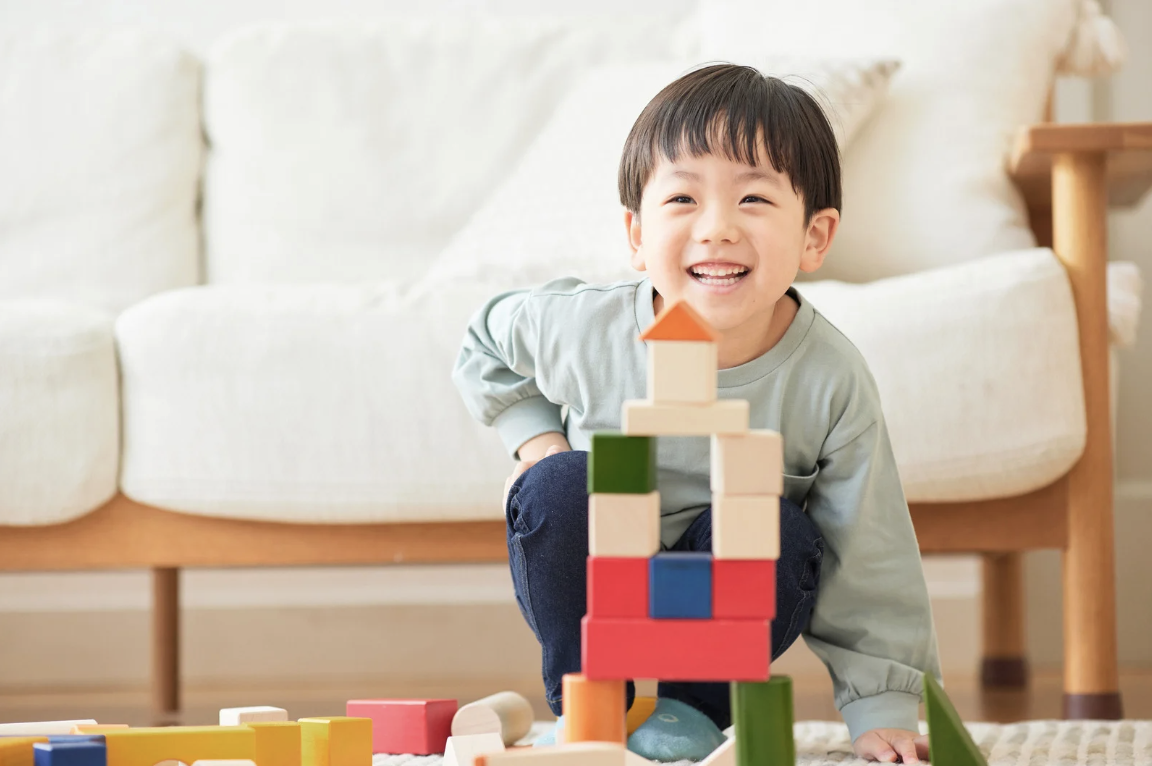
Imitation is a powerful learning tool. Toddlers imitate actions (clapping, waving), gestures (pointing, reaching), sounds (animal noises), and eventually words.
When a child imitates, they are showing interest in others and an understanding that they can learn by watching and copying. Difficulty with imitation can impact both communication and play, and it’s an area speech-language pathologists often target early in therapy.
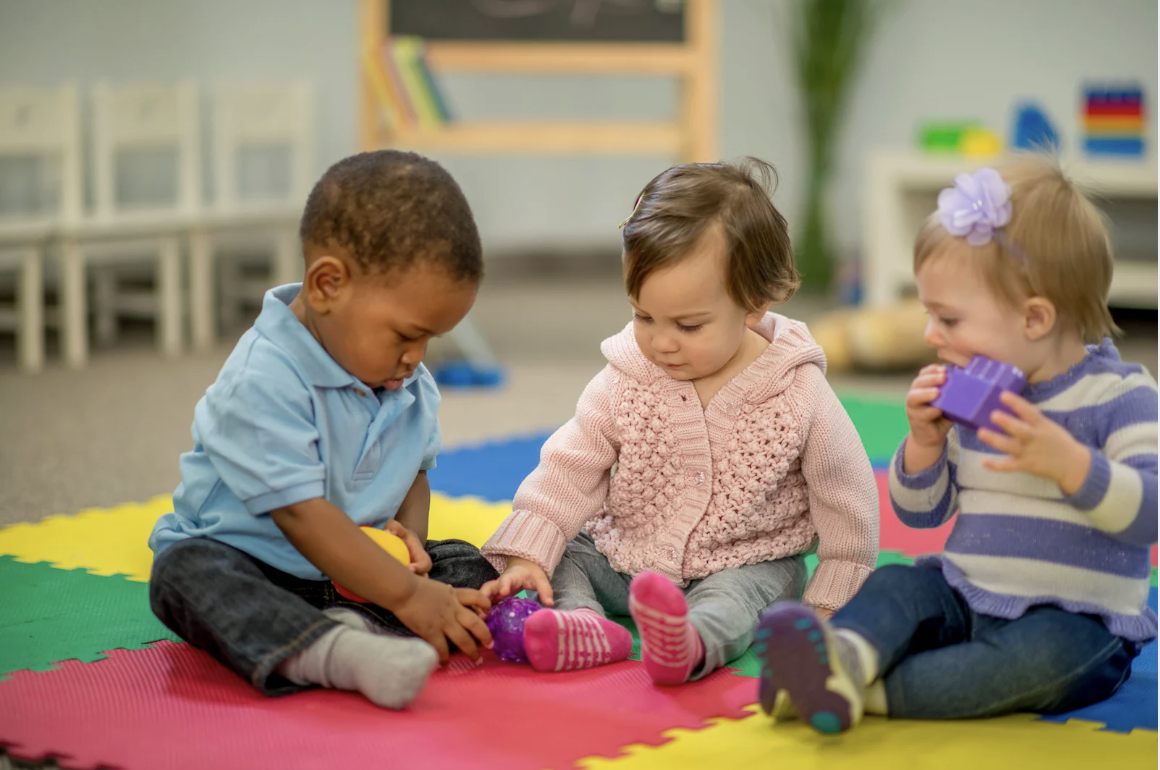
Initiating Interactions With Others
Initiating interaction means your child starts communication without being prompted. This might include pulling you toward something they want, pointing to request help, bringing you a toy to play, or using sounds or words to get your attention.
Initiation is especially important because it shows that your child understands communication has power! It helps them get needs met, share enjoyment, and connect with others.
When to Consider Speech Therapy
with others, has limited joint attention, rarely imitates, or struggles to initiate interaction, a speech-language evaluation can provide clarity and guidance.
At our practice, we specialize in early intervention and toddler-friendly, play-based speech therapy. We focus on building social communication skills in natural, meaningful ways: Through play, routines, and parent coaching. Therapy is designed to support not just your child, but your family as a whole.
Supporting Your Toddler’s Social Growth
The good news is that early social skills can be nurtured and strengthened. With the right support, toddlers can make significant progress in how they connect, communicate, and play.
If you have questions or concerns about your child’s social development, we’re here to help. Contact our office to schedule an evaluation or learn more about our speech and language services for toddlers and young children. Early support can make a lasting difference, and you don’t have to navigate it alone.