
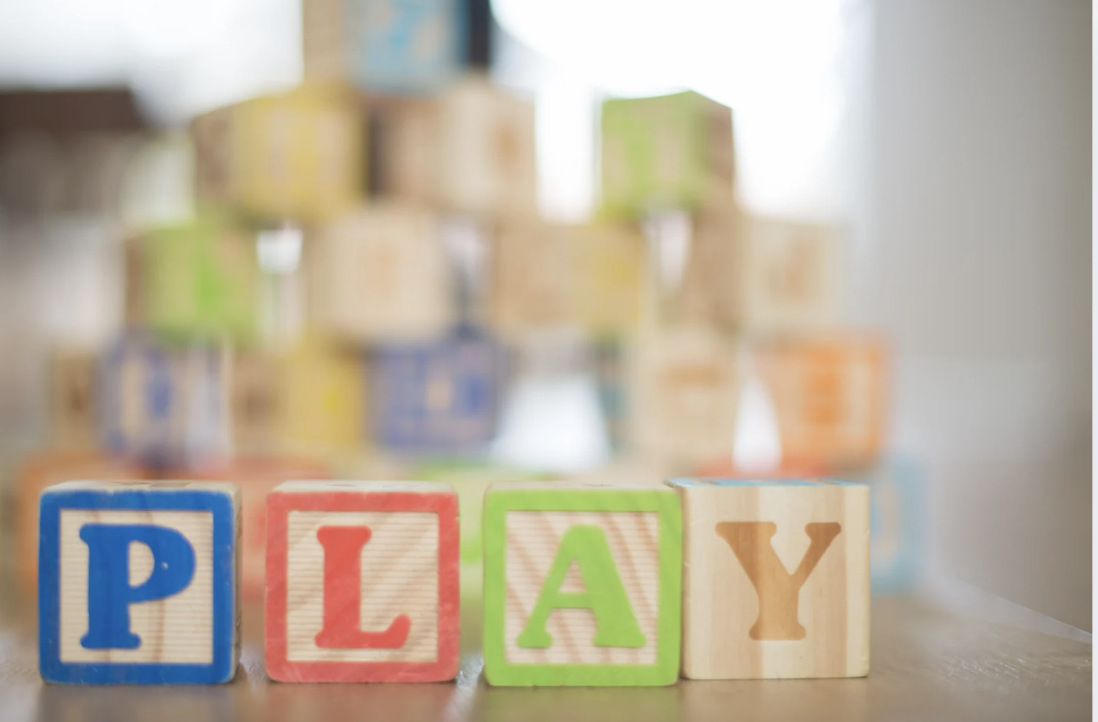
Think your child is just playing during occupational therapy? Think again!
When you think of occupational therapy (OT), you might picture a child practicing how to hold a pencil, button their shirt, use scissors, or tie their shoes. While these are all important skills that occupational therapists address, not every OT session involves directly practicing these activities.
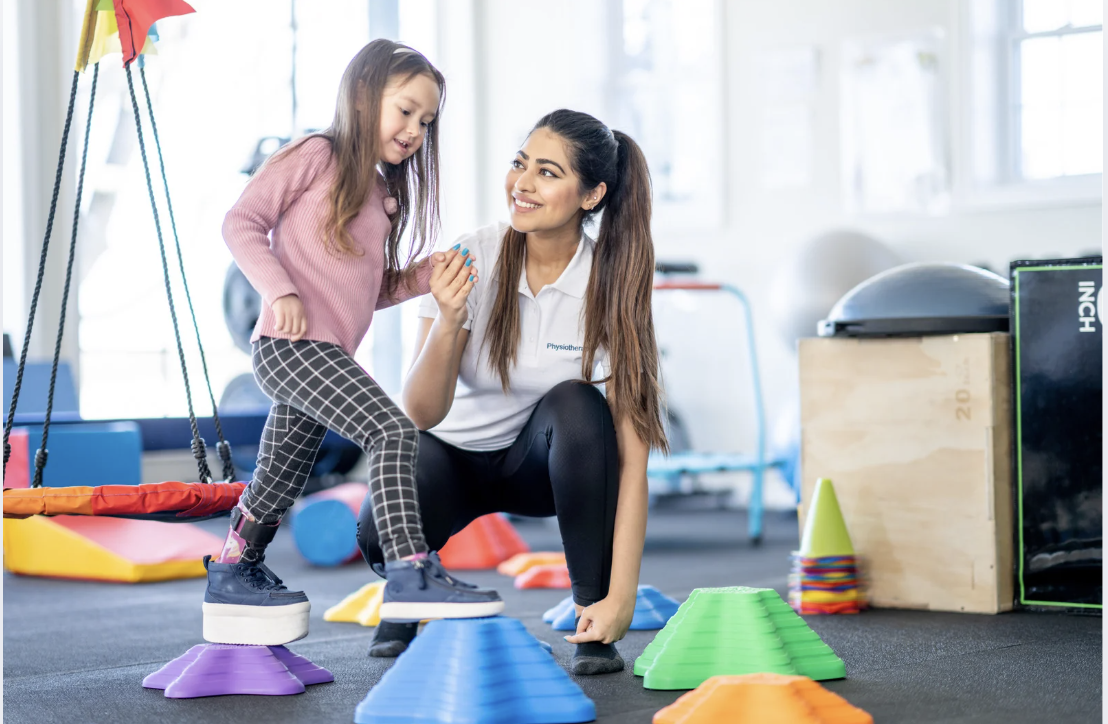
In fact, you might walk into an OT session and see a child climbing through an obstacle course, playing with Play-Doh, building with blocks, or swinging on a sensory swing. At first glance, these activities might look like simple play. But there's much more happening beneath the surface!
Occupational therapists frequently work on the foundational skills that children need to successfully participate in everyday activities. Rather than always targeting a specific skill directly, therapists may break it down into smaller components and use fun, developmentally appropriate activities to strengthen the underlying abilities.
Why Don't Occupational Therapists Always Practice the Exact Skill?
Many everyday activities require several different skills working together. For example, something as seemingly simple as getting dressed involves much more than putting on clothing.
A child needs to be able to:
Coordinate both hands to pull clothing on and off.
Develop the hand strength and dexterity needed to manipulate buttons, zippers, and snaps.
Understand body position and how clothing fits over different body parts.
Plan and sequence the movements needed to complete each step.
Maintain balance and postural stability while dressing.
If a child struggles with dressing, simply practicing putting on a shirt over and over may not address the underlying difficulty.
Instead, an occupational therapist may identify the specific foundational skills that need support and incorporate activities to help develop them. As those skills improve, the therapist can gradually work toward applying them to the actual daily activity.
This approach helps children build skills in manageable steps rather than expecting them to master a complex task all at once.
What You See vs. What They're Actually Learning
Some of the most valuable OT activities don't necessarily look like traditional therapy. Here's a look at what might be happening behind the scenes!
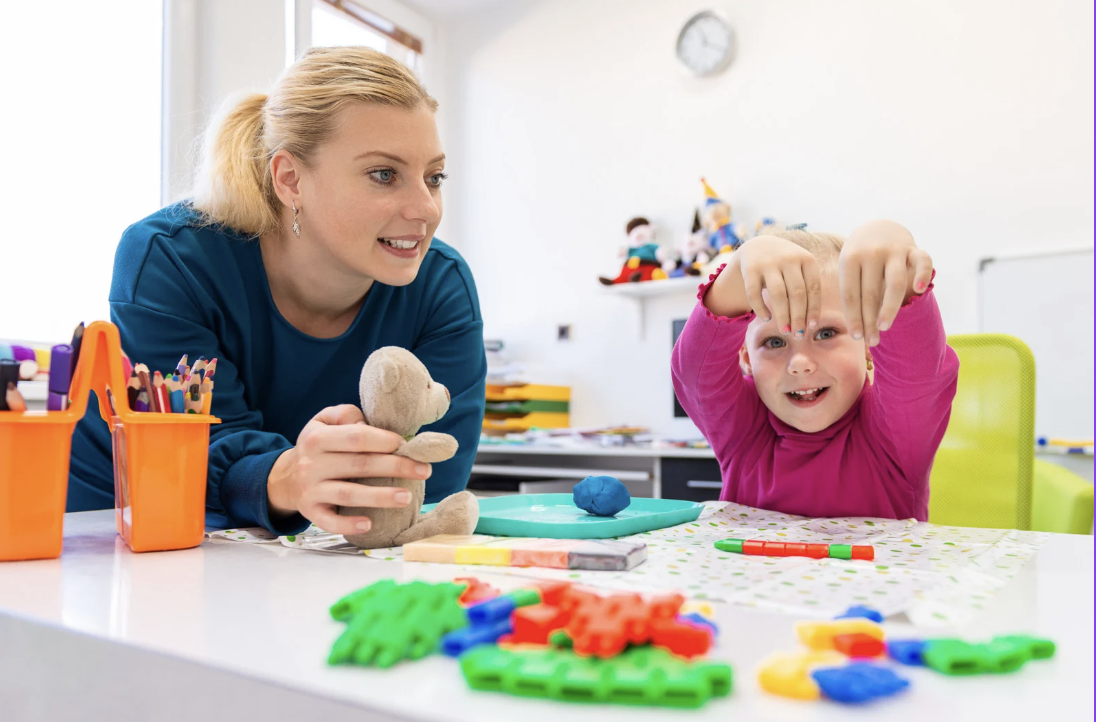
1. What You See: Playing with Play-Doh
What They're Actually Learning:
Hand and finger strength
Fine motor coordination
Finger isolation
Bilateral coordination (using both hands together)
Hand manipulation skills
These foundational abilities support tasks like holding a pencil, using scissors, manipulating small objects, and managing buttons and zippers.
2. What You See: Climbing Through an Obstacle Course
What They're Actually Learning:
Motor planning and sequencing
Balance and coordination
Core strength and postural control
Body awareness
Spatial awareness
These skills help children navigate their environments, participate in playground activities, and complete everyday movement-based tasks.
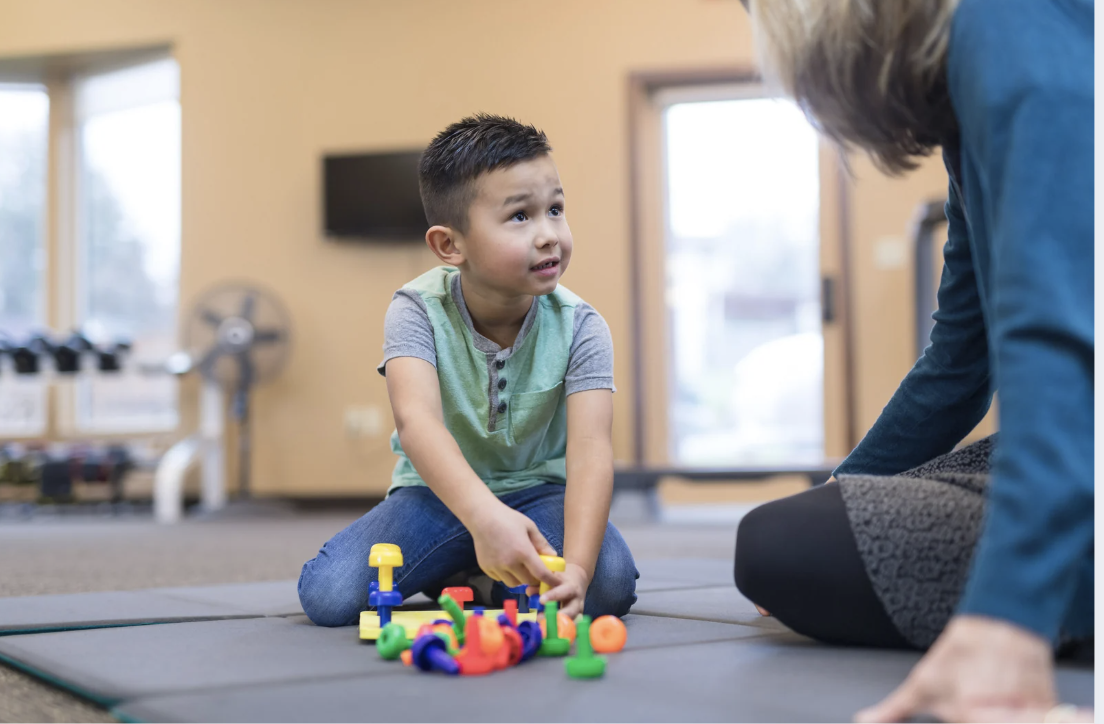
3. What You See: Playing with Blocks or Building a Tower
What They're Actually Learning:
Visual-motor integration (coordinating what they see with how they move)
Hand-eye coordination
Grading force
Spatial awareness
Problem-solving
These abilities contribute to handwriting, drawing, construction tasks, and other activities that require coordinated visual and motor skills.
4. What You See: Swinging
What They're Actually Learning:
Balance and postural control
Body awareness
Movement coordination
Sensory processing and modulation
Core stability
Depending on the child and their individual needs, swinging may provide opportunities to work on movement processing, postural responses, and maintaining an organized level of alertness for participation in activities.
5. What You See: Playing with Scissors and Cutting Paper
What They're Actually Learning:
Bilateral coordination
Hand strength
Grasp development
Motor planning
Visual-motor integration
These skills support not only cutting, but also classroom participation and other fine motor activities.
Building the Foundation Before the Finished Skill
One of the most important things to understand about occupational therapy is that progress doesn't always happen in a straight line.
A child who struggles with handwriting may first need to develop postural stability, shoulder strength, hand strength, and visual-motor coordination. A child who has difficulty with dressing may need opportunities to strengthen their hands, coordinate both sides of their body, and practice motor planning.
Occupational therapists look at the whole child to understand what may be contributing to a particular challenge. They then use individualized, purposeful activities to address those needs.
This doesn't mean that children never practice the actual skill they're working toward. Direct practice is an important part of OT, too! Rather, therapists often combine direct practice with activities that target the smaller components of a larger skill.
The goal is to help children develop the building blocks they need to become more independent and confident in their everyday lives.
There's More to OT Than Meets the Eye!
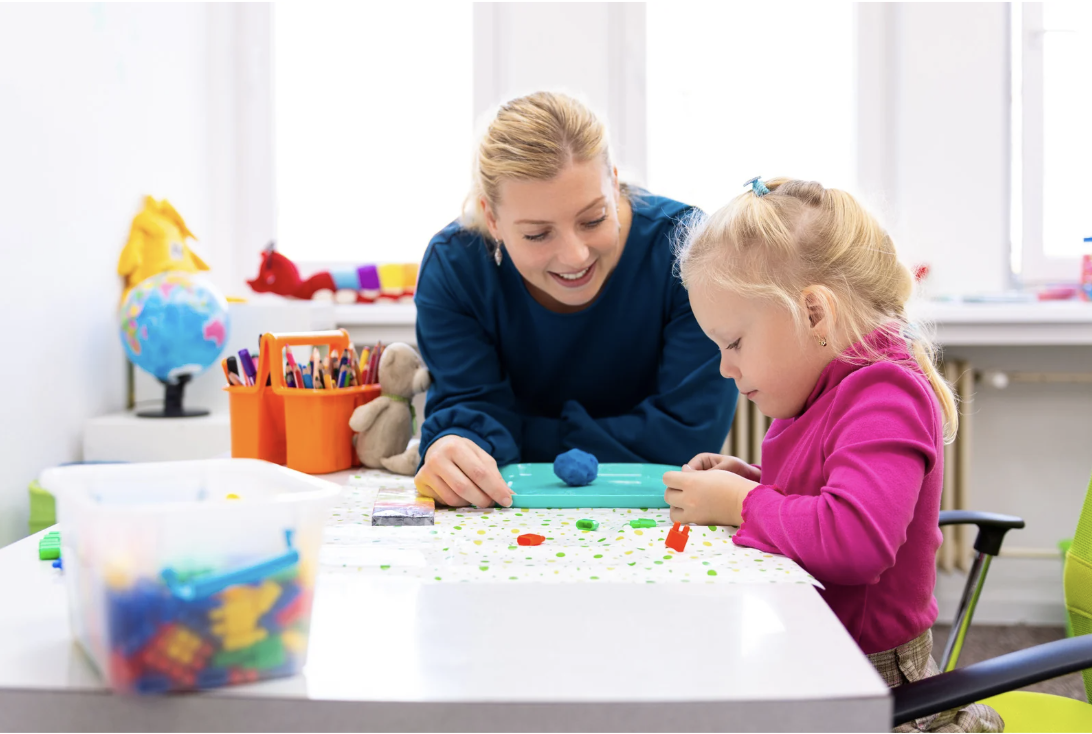
The next time you see your child climbing, squeezing, stacking, swinging, or playing during an OT session, remember that there may be a lot more happening than meets the eye!
Occupational therapy uses meaningful, engaging activities to help children develop the skills they need for everyday participation, from getting dressed and feeding themselves to writing, playing, and navigating their environments. Learning to do the little things is what makes the big things possible! OT is about building the foundational skills that help children succeed in everyday life. There's always a reason behind the play!
Is your child having difficulty with fine motor skills, coordination, dressing, feeding, or other everyday activities? Our occupational therapy team can help identify the underlying skills that may be impacting their independence.
Contact us to learn more about our OT services or schedule an evaluation!